





Most of us do the same thing when something starts hurting. We ignore it for a bit, maybe throw a bag of frozen peas on it, and hope it’s gone by the weekend. Fair enough. Other times a week turns into a month, and a small niggle turns into something that stops you running, sleeping or lifting your kids. Knowing when to book in with a St Kilda Physiotherapy Clinic, and when it’s fine to wait, can save you a lot of time and frustration.
When Waiting Is Usually Fine
Plenty of aches really do settle by themselves. Muscle soreness a day or two after a hard session is normal. So is a bit of stiffness after a long drive or sleeping funny. If it’s only mildly sore, a little better each morning, and you’re still getting around okay, there’s no harm giving it a few more days.
Don’t just lie on the couch, though. Total rest tends to make things stiffer, not better.
When to See a Doctor First
Some symptoms need a GP or the emergency department rather than a physio. Go straight there for severe pain after a fall or crash, a limb that looks bent the wrong way, chest pain, back pain along with trouble controlling your bladder or bowels, or numbness that’s spreading fast. A physio will send you on if they spot any of this, but it’s quicker not to wait.
Why Early Treatment Helps
There’s a decent case for not waiting too long. In the early days after an injury, a physio can help settle pain and swelling and get you moving safely, so you don’t lose strength unnecessarily. They’ll also point out the stuff you’re doing that’s quietly making it worse. Most people have no idea.
You Don’t Have to Be an Athlete
The name “sports physio” puts some people off. It shouldn’t. A good St Kilda Physiotherapy Clinic will see people with all sorts of goals, whether that’s getting back to the gym, playing tennis with mates on the weekend, gardening without a sore back, or just walking the dog without limping.
The same skills that get a footballer back on the field work for everyday life too.
What Happens When You Go In
First they’ll want the story: how it happened, what you’ve tried, what makes it better or worse. Then they’ll get you moving and poke around a bit to see what’s really sore. The usual suspects? Backs, necks, shoulders, hips and knees, rolled ankles, and pulled hamstrings or calves. Achilles, kneecap and elbow tendons get a lot of attention as well.
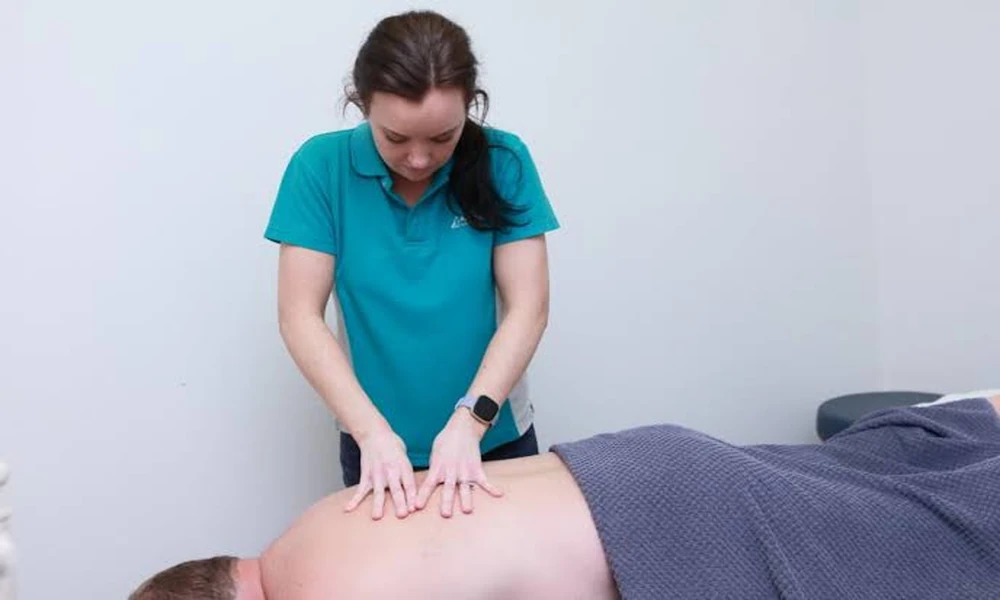
They’ll then explain what’s going on and how to fix it, which usually involves some hands-on treatment and a set of exercises to take home.
Still Not Sure? Just Ask
Can’t decide? Ring the clinic. Tell them what’s going on and they’ll usually say whether it’s worth coming in or whether to give it another few days. Honestly, half the relief is just having someone tell you what to do next, even if that’s “rest it a bit longer.”
What It Usually Costs You to Wait
It’s easy to think waiting saves money. Sometimes it does. But if an injury drags on for months, you can end up needing more appointments to sort it out than you would have early on. There’s the time you lose too, missing training, skipping the gym, or sleeping badly because it’s sore. A single assessment early on often costs less than all of that.
How to Decide
Getting better each day? Give it time. Stuck, getting worse, or keeps coming back? Get it looked at. That one rule will steer you right most of the time, and stop a minor injury turning into a long one.