


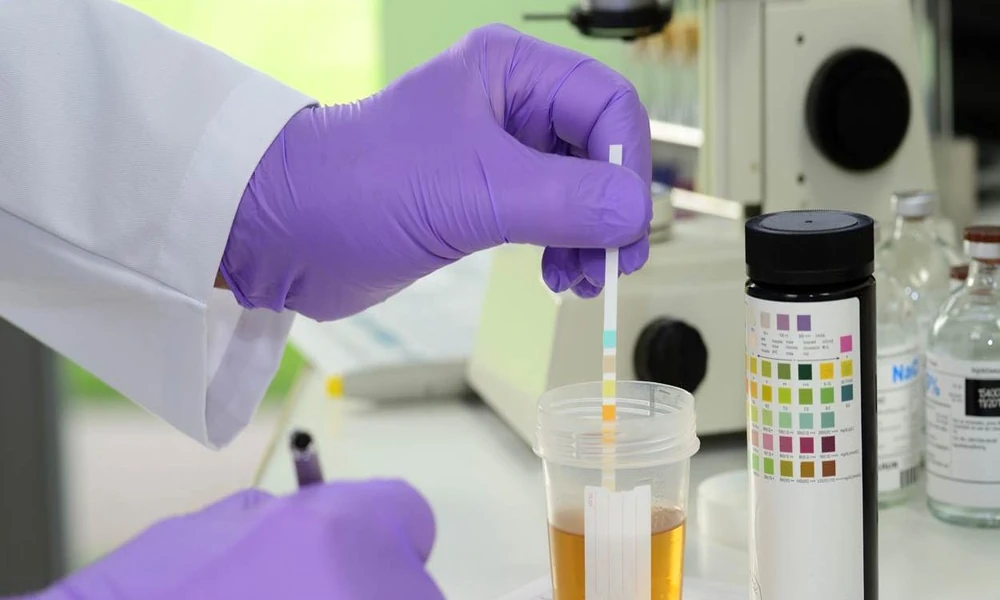


Synthetic urine provides a controlled liquid reference for laboratory work involving composition checks and testing procedures. Synthetic urine can be prepared with selected properties that resemble ordinary urinary samples for defined study goals. It helps create repeatable conditions when sample consistency matters. Clear synthetic urine information gives laboratories a useful starting point for understanding preparation requirements and testing applications.
Controlled Sample Preparation
Laboratory testing often requires samples with stable characteristics throughout repeated procedures. Prepared urine substitutes can offer known properties that remain consistent between separate testing sessions. This allows researchers to compare observations under similar starting conditions without relying on variable biological samples. Research involving controlled samples can also simplify repeated laboratory trials while keeping the testing setup consistent.
Specific components may be adjusted according to the purpose of a study. Concentration levels can be selected to create different sample conditions. Preparation records can document each ingredient and measured quantity. This creates an organized reference for repeated laboratory work.
Laboratory Testing Applications
Prepared urine substitutes have uses across analytical procedures that require consistent liquid samples. They can help laboratories examine testing methods before working with biological material. Controlled samples also allow repeated checks under defined conditions. Research procedures may use these materials when consistency is important for comparing results across separate testing sessions.
- Sample consistency checks for repeated laboratory procedures
- Calibration practice using prepared reference liquid samples
- Testing workflows under controlled sample conditions
- Training exercises involving standard laboratory testing procedures
- Comparison studies using defined sample compositions
Composition And Testing Standards
Urine substitutes can contain selected components that represent certain measurable characteristics. Laboratories may examine factors such as density, acidity, or chemical content during controlled testing. Research can focus on whether a testing procedure produces consistent readings when the same prepared sample is examined repeatedly.
- Defined ingredient levels create consistent sample characteristics
- Measured quantities help maintain repeatable preparation results
- Storage conditions can preserve intended sample properties
- Batch records provide useful preparation references
- Testing schedules can maintain organized laboratory procedures
Analytical Method Evaluation
Laboratories can use controlled urine substitutes when reviewing analytical methods. A prepared sample gives technicians a known starting point for examining measurement procedures. Research may compare readings from different instruments or testing approaches under matching conditions. Such work can help identify differences caused by equipment settings or procedural variations.
Controlled testing can cover several analytical areas. Measurements may involve physical properties or chemical indicators depending on the study purpose. Repeated trials can provide a consistent basis for checking whether a procedure delivers similar readings under comparable conditions.
Training And Quality Checks
Prepared samples can also contribute to laboratory training activities. New technicians can practice sample handling, measurement procedures, and equipment operation using controlled materials. Research facilities may include prepared samples within internal quality checks when consistent reference conditions are needed.
Storage And Record Management
Proper storage helps maintain the intended properties of prepared laboratory samples. Containers should remain clearly identified with relevant preparation details. Research records can include batch information, testing dates, and designated storage conditions. Organized documentation can provide useful synthetic urine information for laboratory teams when locating suitable samples for planned procedures.
- Preparation details provide traceable information for laboratory reference
- Container labels identify contents without unnecessary confusion
- Storage records help maintain organized sample handling
- Batch notes preserve useful preparation information
- Testing logs connect samples with completed laboratory procedures
Laboratory teams can establish consistent procedures for preparation, storage, measurement, and documentation. These practices create a reliable structure for controlled testing activities. Synthetic urine information can also help explain sample characteristics when reviewing laboratory requirements or selecting an appropriate reference composition.
FAQs
What is synthetic urine used for in laboratory studies?
It provides controlled samples for testing measurements and training procedures.
Can prepared urine substitutes support repeated laboratory testing procedures?
Yes, they provide consistent samples for repeated controlled testing activities.
Why are consistent sample properties important during laboratory testing?
They help laboratories compare measurements under similar testing conditions.