


Choosing the right orthodontic treatment for a teenager can feel overwhelming for many parents. Crooked teeth, bite problems, and spacing issues are common during adolescence, and early orthodontic care can play an important role in long-term oral health and confidence. Two of the most common treatment options available today are Invisalign and traditional braces.
Both treatments are designed to straighten teeth and improve bite alignment, but they differ in appearance, maintenance, lifestyle impact, and treatment approach. Understanding the advantages and limitations of each option can help parents make informed decisions based on their teen’s needs, habits, and dental goals.
For families in Ontario, discussing orthodontic treatment options early may help prevent more complex dental concerns later in life.
Understanding Invisalign and Traditional Braces
Orthodontic treatment focuses on correcting issues related to tooth alignment and jaw positioning. Common concerns treated with braces or Invisalign include:
- Crowded teeth
- Gaps between teeth
- Overbites
- Underbites
- Crossbites
- Crooked teeth
Traditional braces use metal or ceramic brackets attached to the teeth with wires that gradually move teeth into position. Invisalign treatment uses a series of custom-made clear aligners that are removable and designed to shift teeth over time.
Both methods can be highly effective when treatment plans are followed correctly.
How Invisalign Works for Teens
Invisalign for teens uses clear plastic aligners that fit snugly over the teeth. The aligners are typically changed every one to two weeks as teeth gradually move into alignment.
Teen Invisalign systems may include features such as:
- Blue compliance indicators to monitor wear time
- Space allowances for erupting teeth
- Customized treatment planning
Because the aligners are removable, teens can eat, brush, and floss without many of the restrictions associated with braces.
How Traditional Braces Work
Traditional braces use brackets and wires to apply continuous pressure to the teeth. Adjustments are performed periodically by the orthodontist to guide movement throughout treatment.
Braces are fixed appliances, meaning they remain attached to the teeth until treatment is complete.
They are often recommended for:
- Complex orthodontic cases
- Significant bite corrections
- Severe crowding
- Cases requiring precise tooth movement
Modern braces are generally smaller and more comfortable than older designs, and some patients may choose ceramic braces for a less noticeable appearance.
Key Factors Parents Should Consider
Choosing between Invisalign and braces depends on several important factors.
Appearance and Confidence
Many teens prefer Invisalign because the aligners are nearly invisible. This can help some teenagers feel more confident during social activities, school events, and sports.
Braces are more noticeable, although ceramic options may appear less visible than metal braces.
Responsibility and Compliance
Invisalign aligners must be worn for most of the day to remain effective. Teens who frequently remove aligners or forget to wear them may experience delayed results.
Braces remain attached to the teeth, which eliminates concerns about forgetting to wear the appliance.
Oral Hygiene
One advantage of Invisalign is that aligners can be removed for brushing and flossing, making oral hygiene easier in many cases.
Braces may require additional cleaning tools and extra attention around brackets and wires to prevent plaque buildup and cavities.
Food Restrictions
Teens with braces are usually advised to avoid certain foods, including:
- Hard candy
- Sticky foods
- Popcorn
- Chewing ice
Because Invisalign aligners are removed during meals, there are generally fewer dietary restrictions.
Comfort and Adjustments
Some discomfort can occur with both treatments as teeth shift position. Braces may occasionally irritate the cheeks or lips due to brackets and wires, while Invisalign aligners may feel tight when new trays are introduced.
Treatment Complexity
Braces may be more suitable for complicated orthodontic issues that require significant movement or bite correction. Invisalign can effectively treat many mild to moderate cases but may not be ideal for every patient.
Common Signs Your Teen May Need Orthodontic Treatment
Parents should consider scheduling an orthodontic evaluation if their teen experiences:
- Crooked or crowded teeth
- Difficulty biting or chewing
- Jaw pain or clicking
- Early or late loss of baby teeth
- Mouth breathing
- Speech difficulties
- Teeth that do not align properly
Early assessment can help determine the most appropriate treatment timing and options.
Prevention and Treatment Considerations
Orthodontic treatment is often part of a larger preventive oral health plan.
Helpful recommendations include:
- Scheduling regular dental checkups
- Addressing cavities or gum problems before orthodontic treatment
- Encouraging consistent oral hygiene habits
- Wearing mouthguards during sports activities
- Following orthodontic care instructions carefully
In some cases, teens may also require related dental treatments such as family dentistry services, cosmetic restorations, or emergency dental care during orthodontic treatment.
What to Expect During an Orthodontic Visit
Assessment and Examination
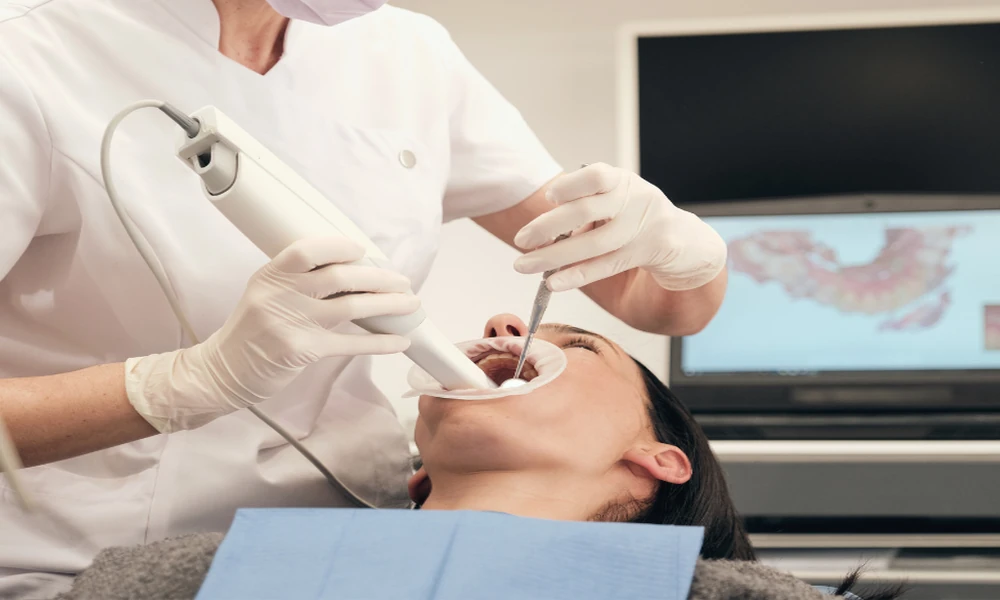
The dentist or orthodontist examines tooth alignment, jaw development, and bite function. X-rays, digital scans, or impressions may be taken.
Treatment Planning
A customized treatment plan is created based on the teen’s dental condition and treatment goals.
Appliance Placement or Aligner Fitting
For braces, brackets and wires are attached to the teeth. For Invisalign, custom aligners are provided with instructions for use.
Monitoring and Adjustments
Regular follow-up visits help monitor progress and make necessary adjustments throughout treatment.
Retention Phase
After treatment is complete, retainers are often recommended to help maintain the new tooth positions.
Local Considerations for Ontario Families
Ontario families may benefit from discussing orthodontic concerns early, especially during the teenage years when jaw and tooth development are still progressing. Routine dental examinations can help identify alignment issues before they become more severe.
Parents exploring treatment options may benefit from consulting a dental clinic in Cambridge, ON to better understand whether Invisalign or braces are more suitable for their teen’s lifestyle, oral health needs, and orthodontic goals.
In some situations, treatments such as Invisalign in Cambridge, family dentistry services, emergency dental care, or cosmetic dental treatments may be discussed alongside orthodontic planning as part of comprehensive oral health care.
Frequently Asked Questions
Is Invisalign as effective as braces for teens?
Invisalign can be highly effective for many mild to moderate orthodontic cases. However, braces may still be recommended for more complex bite or alignment problems.
Which option works faster: braces or Invisalign?
Treatment length varies depending on the complexity of the case and patient compliance. Some Invisalign cases may be completed in a similar timeframe to braces when aligners are worn properly.
Are braces painful for teenagers?
Some soreness is common after adjustments, but discomfort is usually temporary. Modern braces are generally more comfortable than many patients expect.
Can teens eat normally with Invisalign?
Yes. Invisalign aligners are removed during meals, allowing teens to continue eating most foods without restrictions.
What happens if my teen loses an Invisalign tray?
Parents should contact the dental office promptly. The provider may recommend wearing a previous aligner or moving to the next tray depending on treatment progress.
When should my child see an orthodontist?
Many dental professionals recommend orthodontic evaluations during childhood or early adolescence to identify alignment concerns and determine appropriate treatment timing.
Final Thoughts
Both Invisalign and traditional braces can effectively improve tooth alignment and bite function for teenagers. The best option often depends on the complexity of the orthodontic issue, the teen’s daily habits, oral hygiene routine, and personal preferences.
By understanding the differences between Invisalign and braces, parents can make informed decisions that support their teen’s long-term oral health and confidence. Regular dental checkups and professional guidance at Cambridge Centre Dental Care can help patients maintain long-term oral health and address concerns before they become more serious.