




You finally get through your braces adjustment, head home, and then it starts. Your teeth feel tender, biting into even soft food seems like work, and you may wonder whether this level of soreness is normal. If that sounds familiar, you are not overreacting. Mild pain after an adjustment can throw off your whole day, especially when eating, talking, and sleeping all feel a little harder than they should. A Chicago orthodontist can help explain why this happens and what to expect.
The good news is that this kind of discomfort is common, and it usually fades within a few days as your teeth begin to respond to the new pressure. If you are looking for 6 tips for managing soreness after dental braces adjustments, the short version is simple. Stick with soft foods, use cold relief, keep your mouth clean, protect sore spots, take pain medicine only as directed, and know when it is time to call your orthodontist. With a few careful steps, braces adjustment pain relief can feel much more manageable.
Why Do Braces Adjustments Hurt, and When Should You Worry?
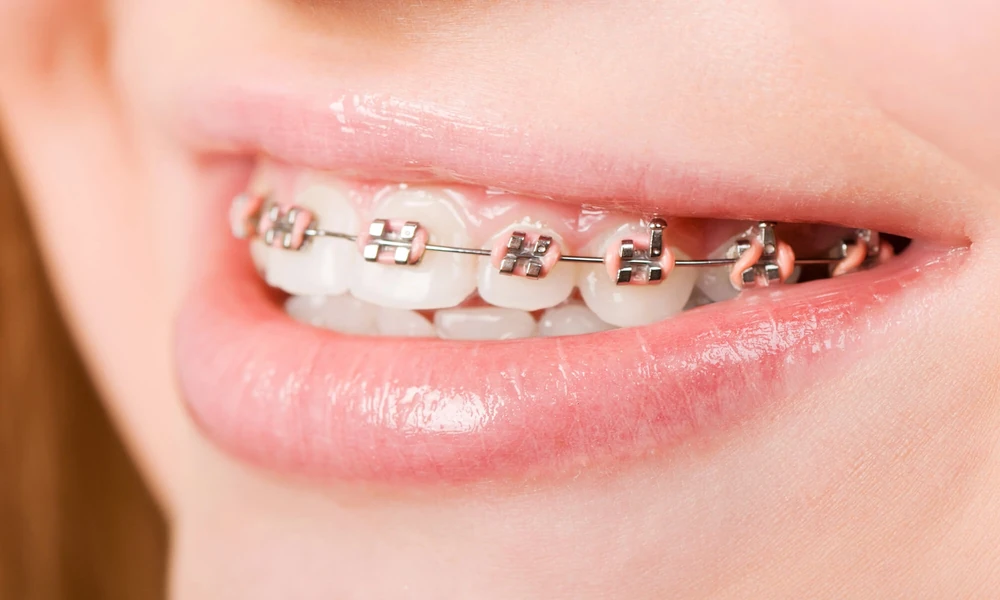
Braces work by applying steady pressure that slowly moves your teeth into better alignment. After an adjustment, that pressure increases for a while, which is why your teeth and gums can feel sore. For many people, the discomfort begins a few hours later and peaks during the first day or two. After that, it tends to ease up.
Because of this tension, you might wonder what counts as normal and what does not. Some tenderness, pressure, and mild irritation inside the cheeks or lips are expected. Sharp wire pokes, swelling that gets worse, pain that lasts more than several days, or trouble eating and sleeping despite home care may need professional attention. General information from MedlinePlus on orthodontia can help you understand how treatment works and what to expect along the way.
So, where does that leave you when your mouth feels too sore to ignore? It helps to focus on small choices that lower irritation instead of fighting through it.
Which 6 Tips For Managing Soreness After Dental Braces Adjustments Help Most?
1. Choose soft foods for the first day or two. Yogurt, soup, mashed potatoes, oatmeal, scrambled eggs, smoothies, and pasta are often easier to handle than crunchy or chewy meals. If biting into a sandwich or apple sounds awful, trust that instinct. Giving your teeth a short break can keep soreness from building.
2. Use something cold to calm the area. Cold water, a chilled smoothie, or an ice pack on the outside of your cheek can reduce discomfort. Some people find that sugar free popsicles help because they cool the mouth without much chewing.
3. Rinse with warm salt water if your mouth feels irritated. If brackets or wires are rubbing the inside of your cheeks, a gentle rinse can soothe the tissue. Harvard School of Dental Medicine shares post procedure dental care instructions that support simple, careful aftercare habits.
4. Use orthodontic wax for spots that rub. If one bracket feels rough or a wire is irritating your cheek, wax creates a buffer. It does not fix the underlying hardware issue, but it can make the next day or two much easier.
5. Take over the counter pain relief only as directed. If your orthodontist has said it is safe for you, common nonprescription pain relievers may help. Follow the label and any guidance you were given. If you are unsure which option is right for you, ask before taking anything.
6. Keep brushing and flossing, even if you want to avoid it. It is tempting to brush lightly or skip flossing when your mouth is sore, but plaque buildup can make gums more sensitive and increase discomfort. Gentle, steady cleaning usually feels better than leaving the area irritated.
These steps are often the foundation of how to ease braces soreness, but they work best when you use them early instead of waiting until the pain feels overwhelming.
What Helps at Home, and When Is It Time to Call an Orthodontist?
Sometimes the hardest part is not the soreness itself. It is the uncertainty. What if this feels worse than last time? What if a wire is sticking out? What if your child cannot eat dinner and you are not sure whether that is expected? Those are fair questions.
Most soreness after an adjustment improves with home care. But there is a difference between normal pressure and a problem that needs attention. If a bracket comes loose, a wire is cutting into your cheek, or pain keeps getting worse instead of better, calling an orthodontist is the safer move. You can also review common concerns in these orthodontic treatment FAQs, which cover issues many patients run into during care.
| Situation | Usually Fine for Home Care | Time to Contact the Orthodontist |
|---|---|---|
| Mild pressure after adjustment | Yes, especially for 1 to 3 days | If it lasts longer or gets much worse |
| Tenderness when chewing | Yes, switch to soft foods | If you cannot eat at all after several days |
| Cheek or lip irritation | Yes, try wax and salt water rinses | If there is bleeding, swelling, or a sharp wire |
| Loose bracket or broken wire | Temporary wax may help | Yes, call for advice and repair |
| Severe pain or swelling | No | Yes, contact the office promptly |
What Can You Do Right Now to Feel Better Today?
Start with your next meal. Pick one soft, easy option for the next 24 hours. Even this one change can lower strain on sore teeth and help you feel more in control.
Set up a simple relief routine. Keep cold water nearby, rinse with salt water later in the day, and place wax on any spot that rubs. When you make comfort part of your routine, the soreness often feels less disruptive.
Track what is changing. Notice whether the pain is improving each day, staying the same, or getting worse. That small check in can tell you whether home care is working or whether you need to reach out for help.
Can You Get Through the Next Adjustment More Comfortably?
Yes, you can. Soreness after braces tightening can be frustrating, but it is usually temporary and manageable with the right steps. A little planning goes a long way, especially when you already know which foods, rinses, and comfort tools help your mouth settle down faster.
If something feels off, trust yourself and contact your orthodontist for guidance. You do not need to guess your way through pain, and you do not need to push through a problem that deserves attention. With a calm plan and the right support, each adjustment can feel a little less daunting than the last.